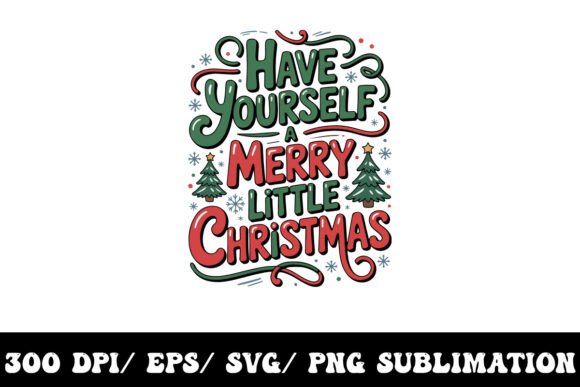
Wishing You a Merry Little Christmas
As an embroidery designer and product reviewer, I’ve evaluated countless machine embroidery designs. Wishing You a Merry Little Christmas stands out for its nostalgic charm and versatility. This retro kids’ saying Christmas T-shirt design bundle offers a classic feel that can elevate a range of projects, from custom apparel to holiday gifts. But before jumping into using it, there are several factors to consider.
The First Impression: A Nostalgic Holiday Vibe
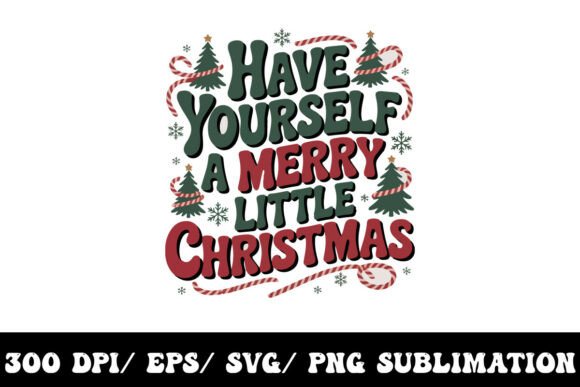
Wishing You a Merry Little Christmas immediately evokes a sense of warmth and tradition. The design features a bold, retro-style font with a playful twist, making it perfect for holiday-themed items. The layout is clean and balanced, allowing the message to stand out without overwhelming the viewer. It’s clear this design was crafted with a specific audience in mind—parents looking for festive, kid-friendly clothing or small businesses aiming to capture the holiday spirit.
The visual personality of Wishing You a Merry Little Christmas feels authentic, not overly modern or generic. It has a handcrafted appeal that works well with both traditional and contemporary styles. Whether you're creating a baby onesie, a holiday mug, or a personalized tote bag, this design adds a touch of nostalgia that resonates with many customers.
Real-World Embroidery Performance
Testing Wishing You a Merry Little Christmas on various fabrics and projects reveals how it performs in real-life situations. For custom apparel like t-shirts and sweatshirts, the design holds up well, especially when using a proper stabilizer. The stitch density is appropriate for most standard hoop sizes, but care should be taken with smaller hoops where details might get lost.
On textured or stretchy fabrics, such as fleece or knits, the design may require additional support to prevent distortion. Thin or dark fabrics could also affect the visibility of the thread colors, so it's wise to test on a similar material before committing to a full project.
This design works particularly well for embroidered patches, tote bags, and aprons. Its size and layout make it ideal for these applications, and the retro aesthetic pairs well with casual, everyday items. However, for more intricate projects like baby clothes or delicate fabrics, extra attention to detail is necessary to ensure the final product meets quality expectations.
Where to Use It Carefully
While Wishing You a Merry Little Christmas is versatile, there are scenarios where caution is needed. On small hoop sizes, the design may not translate perfectly, especially if the text is too tight or the spacing is too close. Similarly, curved surfaces like caps or hats may require some adjustment to ensure the design aligns correctly during stitching.
Detailed corners and tiny lettering could become distorted if the stitch density is too high or the fabric isn’t stable enough. Dense stitch areas might cause puckering, so using the right stabilizer is crucial. For dark fabrics, ensuring the thread color contrasts well is essential to maintain visibility and clarity.
If you're planning to use this design for layered garments or products that will see frequent washing, consider how the embroidery will hold up over time. Proper finishing techniques and high-quality threads can help extend the life of the finished product.
Impact on Visual Appeal and Customer Perception
Wishing You a Merry Little Christmas has a strong visual presence that can enhance the overall appeal of any project. Its retro style adds character and makes it stand out in a crowded market. When used on custom apparel or handmade products, it can significantly boost the perceived value of the item.
Customers often respond positively to designs that evoke a sense of nostalgia or personal connection. Wishing You a Merry Little Christmas can be a great conversation starter, especially during the holiday season. It also helps build trust with buyers who appreciate thoughtful, well-designed products.
For small business owners and Etsy sellers, this design can be a valuable addition to their product lineup. It fits well with boutique branding and can be used in printable mockups or digital product previews. However, it's important to ensure that the design aligns with your brand's aesthetic and target audience.
Practical Designer Notes
Before using Wishing You a Merry Little Christmas in any project, I recommend testing it on scrap fabric. This allows you to see how the design looks in different conditions and adjust your settings accordingly. Checking the thread color contrast is also key, especially if you're working with dark or light backgrounds.
Reviewing the stitch density is another important step. If the design is too dense, it might cause the fabric to pucker or the stitches to look uneven. Confirming the correct hoop size ensures that the design fits properly and doesn't get cut off during stitching.
Inspecting small details like the corners and lettering can reveal potential issues that might not be obvious at first glance. Testing the design in black and white mockups helps you see how it looks without color, which is useful for commercial projects or when working with limited color palettes.
Finally, always check the licensing terms before selling finished items or digital products. Even though this design is described as print-ready, it's important to confirm that it's suitable for both personal and commercial use.
Final Thoughts: A Versatile Holiday Design
Wishing You a Merry Little Christmas is a solid choice for designers and crafters looking to add a festive touch to their work. Its retro aesthetic and clean layout make it adaptable to a wide range of projects, from simple t-shirts to more complex embroidered items. With proper preparation and attention to detail, this design can become a staple in your collection of machine embroidery files.
Whether you're running a craft business, creating personalized gifts, or working on a holiday-themed project, Wishing You a Merry Little Christmas offers both practicality and charm. Just remember to test it thoroughly and consider the specific needs of your project before moving forward.