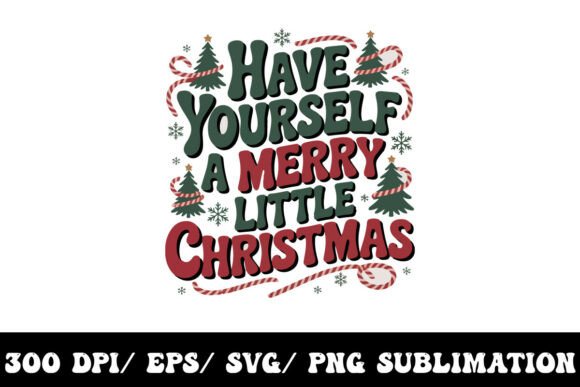
Merry Little Christmas Graphic Design
As a designer who’s spent years working with machine embroidery designs, I always start by evaluating a new graphic through the lens of real-world use. The Merry Little Christmas Graphic Design caught my eye for its nostalgic charm and versatility, but I wanted to see how it would hold up in actual projects. From tote bags to baby onesies, this design has potential—but like any good embroidery file, it needs careful consideration before hitting the hoop.
The First Impression: A Nostalgic Holiday Vibe
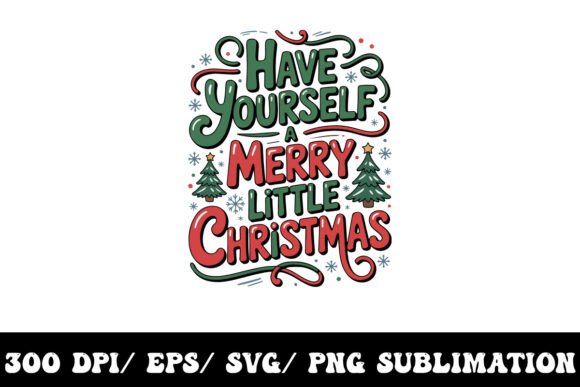
The moment I opened the Merry Little Christmas Graphic Design, I was struck by its retro aesthetic. The layout is clean, with a central motif that feels like it belongs on a vintage t-shirt or holiday card. The text “Merry Little Christmas” is bold and readable, while the surrounding elements—like snowflakes and a simple tree—add just enough detail without overwhelming the composition. It’s a design that feels at home on custom apparel, but also on mugs, pillows, and other holiday items.
The color palette is soft and warm, which makes it adaptable to both light and dark fabrics. However, I noticed that the design’s simplicity might not translate well to dense stitch areas. If you’re planning to use it on a sweatshirt or hoodie, you’ll want to make sure the stitch density isn’t too heavy, or it could look muddy when embroidered.
Real-World Embroidery Use Cases
One of the first projects I thought of was a custom embroidered tote bag for a local boutique. The Merry Little Christmas Graphic Design would work well as a standout feature on the front of a canvas bag. Its size and layout make it ideal for a medium-sized hoop, and the design’s scale allows for clear stitching without getting lost in the fabric.
For a baby onesie, the design’s simplicity is a plus. Tiny details can be tricky on stretchy or thin fabrics, but the Merry Little Christmas Graphic Design avoids overly intricate elements that might not show up well. That said, I’d recommend testing it on a scrap piece of knit fabric before committing to a full project. Baby clothes often require extra care, and a little prep can save a lot of headaches later.
On a sweatshirt, the design would look great as a chest graphic. The layout is balanced, and the text is large enough to be legible from a distance. However, if you're using it on a darker fabric, you might need to adjust the thread colors to ensure visibility. The design works well with both satin and fill stitches, but I’d avoid using it on curved surfaces like caps unless you have a small hoop setup.
Where to Be Cautious
While the Merry Little Christmas Graphic Design is versatile, there are some situations where it might not perform as expected. For instance, on textured fabrics like denim or corduroy, the design could lose some of its clarity. Similarly, on thin or stretchy materials, the stitches might not lay flat, leading to an uneven appearance.
If you’re planning to use this design on a patch or applique, you’ll want to check the stitch density. Too much fill stitch could cause the fabric to pucker, especially on lightweight materials. And if you’re working with a small hoop, you may need to break the design into sections to fit properly.
Another thing to consider is the design’s suitability for commercial projects. While the product description mentions it can be used on a variety of items, I’d advise checking the licensing terms before selling finished products. Some designs have restrictions on resale or commercial use, so it’s always better to confirm before moving forward.
How It Affects Visual Appeal and Customer Trust
When it comes to visual appeal, the Merry Little Christmas Graphic Design is a strong contender for holiday-themed projects. Its retro style is instantly recognizable and adds a personal touch to handmade products. Customers often respond well to designs that feel nostalgic or heartfelt, making this a good choice for personalized gifts or holiday merchandise.
From a business perspective, using this design can help build brand consistency. If you’re running a craft business or Etsy shop, having a cohesive set of holiday graphics can make your listings more appealing. Plus, the design’s adaptability means you can use it across multiple product types, from t-shirts to pillow covers, without repeating the same image too often.
However, the success of the design depends heavily on how it’s executed. Poor stitching, incorrect thread colors, or improper stabilizer use can all detract from the final look. As a designer, I always emphasize the importance of testing your embroidery files before finalizing a project. This is especially true for digital products, where the mockup can make or break a sale.
Practical Designer Notes
Before using the Merry Little Christmas Graphic Design, here are a few key steps I recommend:
- Test on scrap fabric: Always try the design on a sample piece of the fabric you plan to use. This will help you identify any issues with stitch density, thread color, or fabric texture.
- Check thread color contrast: If you’re using the design on a dark fabric, make sure the thread color stands out. On light fabrics, you might need to adjust the design’s brightness or add a white background.
- Review stitch density: Avoid over-stitching in dense areas, as this can cause the fabric to pucker or the design to look muddy.
- Confirm hoop size: If the design is larger than your hoop, consider splitting it into sections or adjusting the size to fit your machine.
- Inspect small details: Pay attention to corners, lettering, and decorative elements. These can sometimes get lost in the embroidery process.
- Use proper stabilizer: Stabilizer is essential for preventing puckering, especially on stretchy or lightweight fabrics.
By taking these steps, you’ll ensure that the Merry Little Christmas Graphic Design looks its best in any project. Whether you’re creating a custom apparel piece, a holiday gift, or a digital product for sale, this design has the potential to add value and appeal to your work.